Renin-producing cells play a critical role in maintaining stable blood pressure through the Renin-Angiotensin System (RAS). Yet recent research from the University of Virginia School of Medicine demonstrates how RAS inhibitors, such as ACE inhibitors and angiotensin receptor blockers, can also contribute to kidney damage when taken for an extended period. Understanding this relationship is vital for creating effective treatment strategies while mitigating any detrimental impacts on renal health.

- mosbet casino
- pin up
- mostbet casino
- 1win casino
- pinap
- pinup casino
- 1win aviator
- 1 win aviator
- mostbet casino
- pinup
- mostbet
- 4rabet mirror
- pinco casino
- mostbet az
- pin up casino
- mostbet casino
- mosbet casino
- mosbet kz
- pinup
- pinco casino
- mostbet az
- pinko
- 1vin casino
- pin up uzbekistan
- 4a bet
- mostbet uz
- mostbet uz
- pinco casino
- 1win casino
- mosbet kz
- snai
- 1win
- 1 win
- mostbet casino
- 1win
- pinap
- пин ап
- 1 vin
Renin-Producing Cells and Their Role
Renin is an enzyme produced by special kidney cells known as juxtaglomerular cells that responds to drops in blood pressure by secreting it into the bloodstream, setting off a chain reaction that raises it again. While this mechanism helps maintain cardiovascular stability, too much stimulation of these renin-producing cells could potentially result in damage to kidney structure and function.

Mechanisms of Kidney Damage
UVA researchers discovered that chronic stimulation of renin-producing cells can cause them to undergo undesirable transformations. Under normal circumstances, these cells regulate blood flow and pressure; however, when overactive due to prolonged medication use or health conditions, they can invade renal blood vessel walls, leading to pathological changes, greater pressure on the kidneys as a whole, and more serious blood flow disruption.
- Smooth muscle cell proliferation: Renin-producing cells activate smooth muscle cell proliferation within vessel walls, leading to thickening and stiffening that hinders blood flow in the kidneys. This decreases kidney health.
- Hyperinnervation: As part of the transformation, nerve growth increases within renal arteries, further complicating vascular structure and function.
- Inflammation and Scarring: The aggressive behavior of these cells also results in inflammation and scarring around small blood vessels (arterioles), seriously hampering their ability to filter blood efficiently.
- Loss of Filtration Function: With increasing structural changes, kidneys change from efficient filtration organs to what researchers refer to as “pathological neuro-immune-endocrine organs,” leading to reduced ability to purify blood and increased production of renin, further exacerbating hypertension.
Implications for Treatment
These findings highlight an ironic paradox: while RAS inhibitors are indispensable in managing hypertension and avoiding cardiovascular events, their long-term use may inadvertently cause kidney damage. According to researchers, patients should never stop taking RAS inhibitors without first consulting their healthcare providers, as such medications remain essential in effectively managing hypertension.
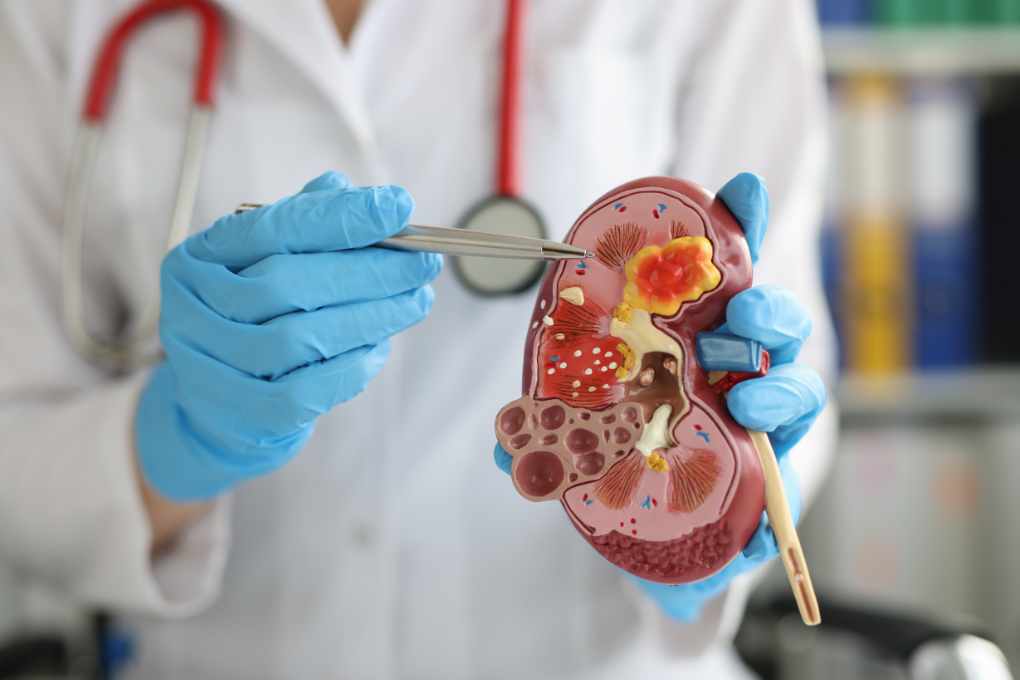
However, more research must be conducted into the long-term impacts of these drugs on kidney health. Prospective studies should be carried out to understand how these medicines alter renal function over time and identify which specific substances produced by renin-producing cells contribute to vascular damage.
Understanding how renin-producing cells contribute to kidney damage opens new avenues for creating therapies to alleviate its adverse effects. By identifying specific molecules involved in this pathological process, researchers hope to develop strategies that preserve kidney function while effectively managing blood pressure.
Renin-producing cells play an essential role in maintaining cardiovascular health; however, their role in kidney damage demonstrates the complexities associated with treating hypertension. Ongoing research will help ensure effective blood pressure management while simultaneously safeguarding renal health—ultimately leading to improved outcomes for chronic hypertension patients.
Discover the health benefits of basil leaves, including their anti-inflammatory and antioxidant properties, which can support overall wellness. Incorporating basil into your diet may enhance kidney health, complement treatments for hypertension, and promote better cardiovascular function.