
Remembering Anton Webern
Anton Webern was a composer who lived about a hundred years ago. His music stood out because it was very different from what people were used to back then. His compositions were often brief, quiet, and incredibly precise. Every note counted and had to be placed carefully. Webern used a technique called twelve-tone music, which meant arranging notes in a specific order and following strict rules. This method gave his music a unique sound, both controlled and deeply emotional.
- mosbet
- pin up az
- pinup az
- pin up casino
- mosbet
- mosbet casino
- 1win casino
- mosbet casino
- 1win
- mosbet casino
- pin up az
- пин-ап
- mostbet
- pin up uzbekistan
- mostbet online
- pin up casino india
- mostbet uz casino
- 1 win casino
- pin up uzbekistan
- pin up
- mostbet
- pinco casino
- pinup casino
- mostbet kz
- pin up
- 1win
- 1win
- mosbet az
- pin up
- slot 1win
- pinco casino
- 1win aviator login
- snaibet
- mostbet casino
- 1win turkey
- pinco casino
- pinup az
- pinup
Respecting the Original Piano Score
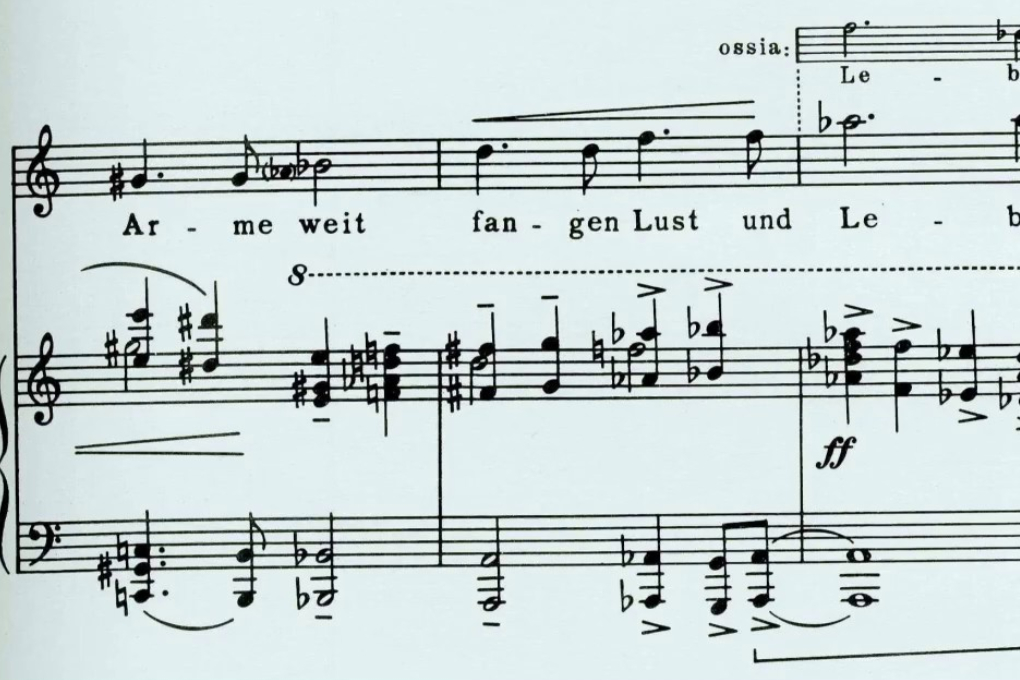
Recently, a musician decided to perform Webern’s piece while staying true to its original piano part. They followed Webern’s twelve-tone system exactly, ensuring each note was clear and spaced thoughtfully. The piano remains the foundation, strong and precise, just as Webern intended.
Introducing a New Electronic Voice
What makes this performance stand out is the addition of a subtle synthesizer layer. Unlike the piano’s strict order, the synthesizer produces gentle, flowing sounds that change slowly and unpredictably. These electronic tones add a shimmering, almost living quality to the music, like sunlight dancing on water. The combination of the structured piano and the fluid synthesizer creates a fresh and intriguing soundscape.

A Meeting of Past and Present
This approach feels like a conversation between two different worlds—the early 20th century, when Webern composed, and today’s era of modern technology. The piano brings clarity and form, while the electronics introduce an element of chance and softness. It’s a delicate balance between order and freedom.
The Listening Experience
When you listen to this piece, you’ll notice how the quiet piano notes stand out with perfect clarity. At the same time, the synthesizer adds a layer of gentle movement and color beneath them. The music feels both calm and alive, simple yet rich with detail.

Why This New Approach Matters
By blending old piano music with modern electronic sounds, this performance opens up exciting new possibilities. It shows how musicians can respect classic compositions while adding their own creativity and using new tools. This mix of tradition and innovation helps music stay alive and relevant.
A Tribute That Breathes New Life
Above all, this performance honors Webern’s original vision while adding a modern twist. It proves that even music written a century ago can still surprise and inspire listeners today. Great music doesn’t fade away; it evolves and continues to speak to new generations.
For music lovers, this blend of historic and contemporary sounds is inspiring. It’s a reminder that old works can gain new voices and meaning when artists dare to experiment. Webern’s delicate and precise music still holds a special place, now reimagined for today’s ears.

