
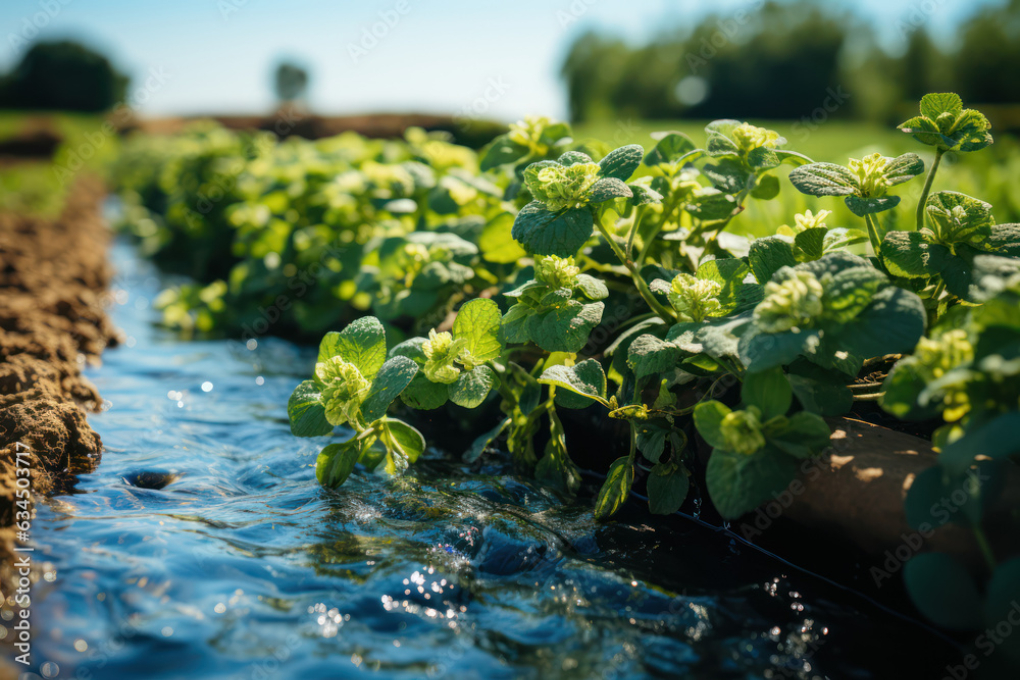
Water is very important for farming, but many areas are facing water shortages. Sustainable agriculture aims to use water wisely while still growing enough food. Here are some simple and effective strategies for conserving water in farming.
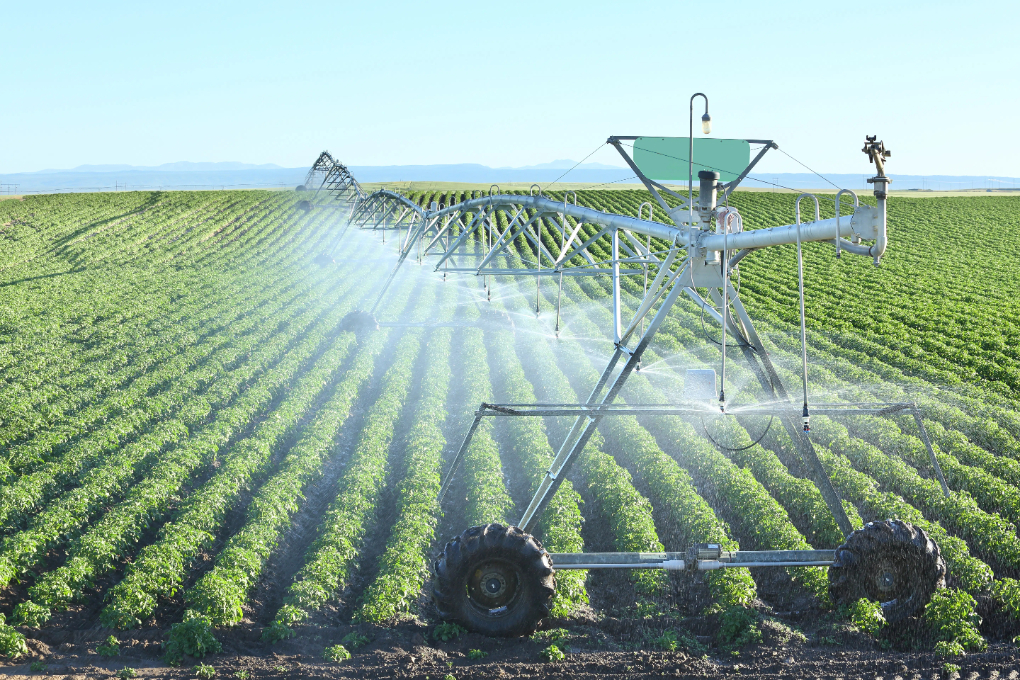
Drip Irrigation
- pinup
- 1 vin
- 1win
- pinup
- aviator 1 win
- pin up casino
- mostbet uz online
- mosbet casino
- mosbet casino
- mostbet online
- pinup
- mostbet az
- pinco
- mostbet kz
- pin up az
- pinup india
- mostbet
- pin up casino
- 1 win india
- pinup uz
- 1win
- 1 win
- pinup az
- mostbet
- pin up
- pin up kz
- 1 win casino
- mosbet az
- 1win uz
- mostbet
- snai bet
- pinko casino
- pinup
- mostbet
- 1win casino
- pinko casino
- mosbet
- pinco slot
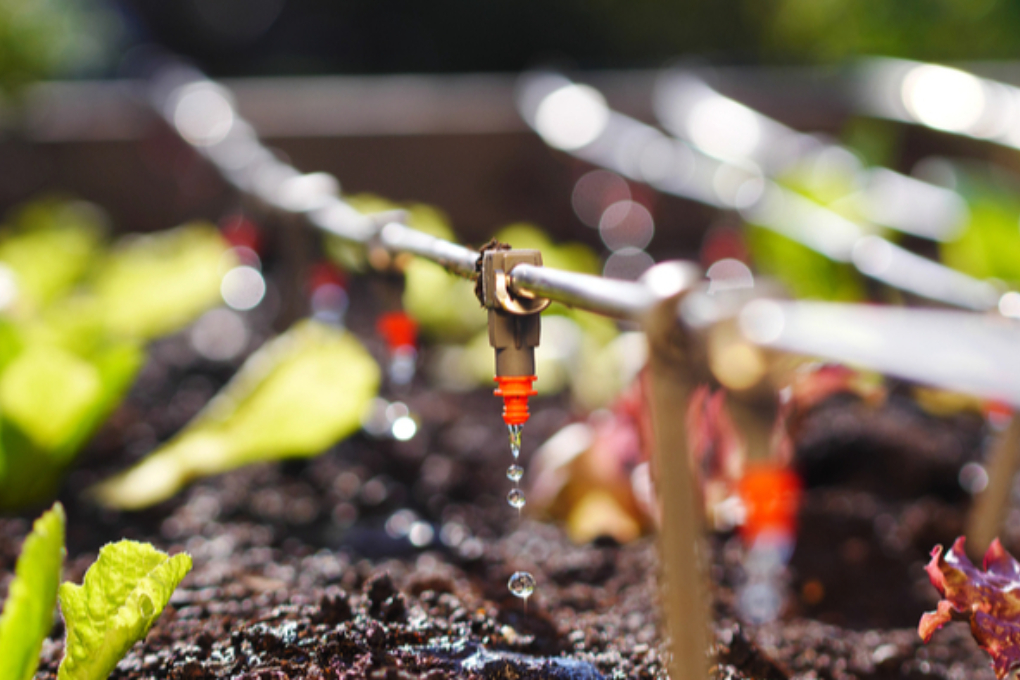
Drip irrigation is a smart way to water plants. This system uses small tubes to deliver water directly to the roots of crops. By giving just the right amount of water, farmers can save a lot of it. This method also helps reduce the need for fertilizers because nutrients can be mixed with the water.
Rainwater Harvesting
Rainwater harvesting is about collecting rainwater for later use. Farmers can set up systems to catch rain from roofs or other surfaces and store it in tanks or ponds. When there is no rain, they can use this stored water to keep their crops healthy. This method is especially useful in places where rainfall is not steady.
Soil Moisture Management
Managing soil moisture means checking how wet or dry the soil is. Farmers can use tools and sensors to measure moisture levels in the ground. This helps them know when to water their plants and how much water to use. By doing this, they avoid wasting water and make sure plants get enough moisture.
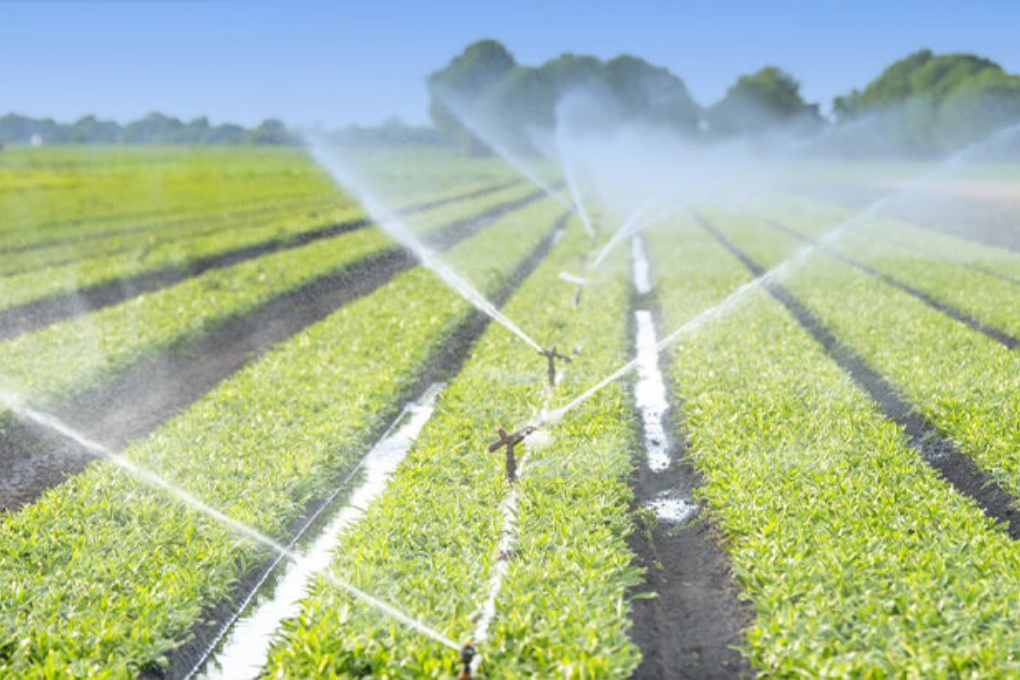
Drought-Resistant Crops
Growing drought-resistant crops is another good way to save water. These plants are specially chosen or bred to survive with less water. By planting these crops, farmers can reduce their need for irrigation during dry times, helping them save water while still getting good harvests.
Mulching and Composting
Mulching involves covering the soil around plants with materials like straw or wood chips. This keeps the soil moist by reducing evaporation. Composting adds organic matter to the soil, which helps it hold more water and provides nutrients for plants. Both of these practices help farmers use less water.
Crop Rotation
Crop rotation means planting different types of crops in a specific order overtime on the same land. This technique helps keep the soil healthy and reduces water use by alternating between crops that need a lot of water and those that do not. It allows farmers to grow food while conserving water.
Conservation Tillage
Conservation tillage is a method where farmers disturb the soil less during planting. This helps keep the soil structure intact and retains moisture better after it rains. By leaving some crop residues on the field, farmers protect the soil from erosion and help it hold more water.
Using these water conservation strategies is very important for sustainable agriculture. Methods like drip irrigation, rainwater harvesting, and growing drought-resistant crops help farmers save water while still producing food. These practices not only help individual farms but also protect our valuable water resources for the future.
